












IoT Development Services
We help enterprises design, build, and operate advanced IoT solutions that bring real-time visibility, smarter automation, and stronger business outcomes across industries.

From Signal to Action, Leverage Headless IoT Intelligence Stack
Most IoT architectures route sensor data to dashboards and depend on human decisions for the next step. This creates a gap between signal detection and response. Azilen’s Headless IoT Intelligence Stack closes that gap by embedding decision logic within the system, where sensor data flows through a defined path, conditions are evaluated in real time, and actions are executed without manual intervention. The stack connects sensing, connectivity, data, and agent-driven execution into a single operational loop. This ensures consistent response, reduced latency, and system-level control across environments where continuous monitoring and immediate action are critical.
End-to-End IoT Development Services


Strategizing the way IoT is to be embedded in your business model with an overall visioning of IoT infrastructure.
- IoT Strategy Development
- Technology & Platform Assessment
- Security & Compliance Audit
- IoT Architecture Review

Scalable IoT applications powered by deep engineering across firmware, connectivity, and cloud infrastructure.
- IoT Web & Mobile Applications
- Embedded Firmware
- Edge-to-Cloud Connectivity
- Real-Time Data Visualization

Extract meaningful insights from IoT data with analytics that go beyond dashboards.
- Data Analytics & Visualization
- Predictive Maintenance Solutions
- Business Intelligence Integration
- Operational Performance Insightst

Ongoing operational support, monitoring, and management that keeps your IoT deployment secure and updated.
- 24/7 Device Monitoring
- Security & Firmware Updates
- IoT Infrastructure Maintenance
- Performance Optimization
Azilen Manifesto for IoT Development Services
Crafting IoT Solutions Backed by Deep Industry Expertise
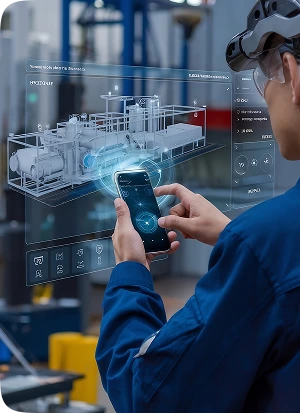
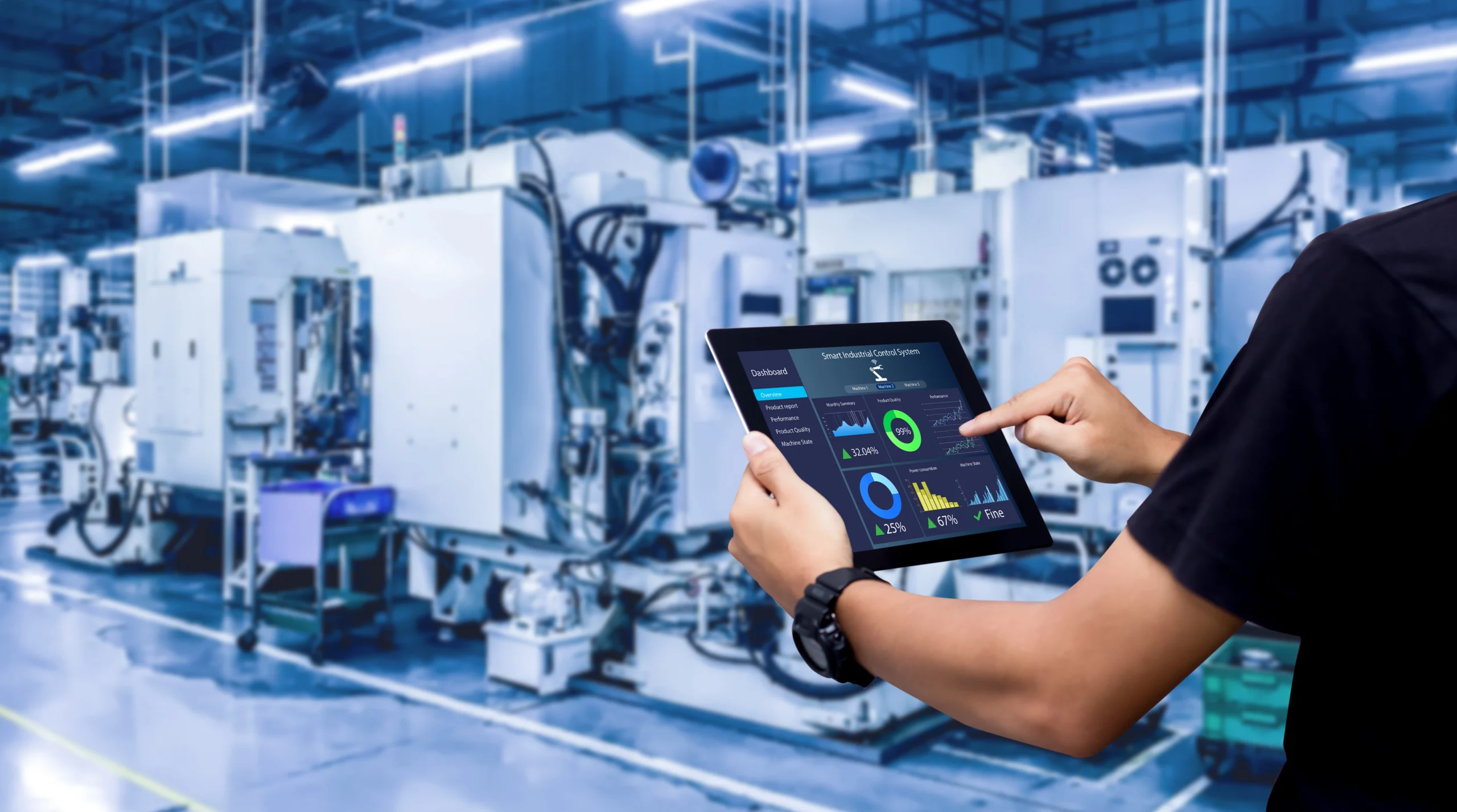
Our IIoT solutions connect machines, sensors, and production lines into a unified smart factory ecosystem. The result is reduced downtime, optimized OEE, intelligent quality control, and data-driven production planning powered by industrial IoT architecture.
- Predictive Maintenance Platforms
- Machine Performance Analytics
- Digital Twin Models
- Energy & Resource Monitoring

We enable connected stores with smart shelves, RFID inventory tracking, footfall analytics, and customer behavior insights. By integrating IoT with cloud analytics platforms, retailers improve stock accuracy, in-store engagement, and omnichannel visibility.
- Smart Shelf & Inventory Monitoring
- Connected Checkout & Queue Analytics
- Customer Pathing & Behavior Insights
- Smart Pricing & Dynamic Displays

With GPS integration, environmental sensors, and predictive route analytics, get end-to-end shipment intelligence and operational transparency. This ensures optimized delivery timelines, reduced transit risks, and compliance-ready monitoring.
- Connected Fleet Tracking & Telematics
- Cold Chain Monitoring
- Warehouse Automation
- Supply Chain Event Management
Turn Connected Devices Into
Intelligent Business Systems
From edge devices and embedded engineering to cloud connectivity, analytics, and AI-driven automation, we build scalable IoT ecosystems that deliver real-time visibility, operational efficiency, and measurable business outcomes.
Technologies Powering Our IoT Development Services
From embedded engineering and device connectivity to cloud platforms, analytics, and AI — the complete technology ecosystem behind our enterprise IoT solutions.
Embedded C
Firmware Development
C++
Device Applications
FreeRTOS
Real-Time Operating System
Zephyr
Embedded Platform
Linux
Edge Computing
Raspberry Pi
Rapid Prototyping
Arduino
Device Development
NVIDIA Jetson
Edge AI
MQTT
Device Messaging
CoAP
Lightweight Protocol
BLE
Bluetooth Low Energy
Zigbee
Mesh Networking
LoRaWAN
Long-Range Connectivity
NB-IoT
Cellular IoT
Wi-Fi
Wireless Connectivity
Modbus
Industrial Protocol
AWS IoT Core
Device Management
AWS Greengrass
Edge Runtime
Azure IoT Hub
Connected Devices
Azure Digital Twins
Digital Twin Platform
Google Cloud IoT
Cloud Integration
ThingWorx
Industrial IoT
Particle
Connected Products
Bosch IoT Suite
IoT Ecosystem
Apache Kafka
Real-Time Streaming
Apache Spark
Large-Scale Processing
InfluxDB
Time-Series Data
TimescaleDB
IoT Analytics
Snowflake
Cloud Data Platform
Databricks
Data Engineering
Power BI
Business Intelligence
Tableau
Visualization
TensorFlow
Machine Learning
PyTorch
Deep Learning
OpenCV
Computer Vision
Azure ML
Predictive Analytics
Digital Twins
Asset Simulation
Predictive Maintenance
Operational Intelligence
Industrial AI
Smart Automation
Computer Vision
Visual Inspection
Docker
Containerization
Kubernetes
Container Orchestration
Terraform
Infrastructure as Code
GitHub Actions
CI/CD Automation
Prometheus
Monitoring & Metrics
Grafana
Operational Dashboards
OTA Updates
Remote Device Management
X.509 Certificates
Device Security
IoT Architecture Blueprint:
Building from the Edge to the Cloud
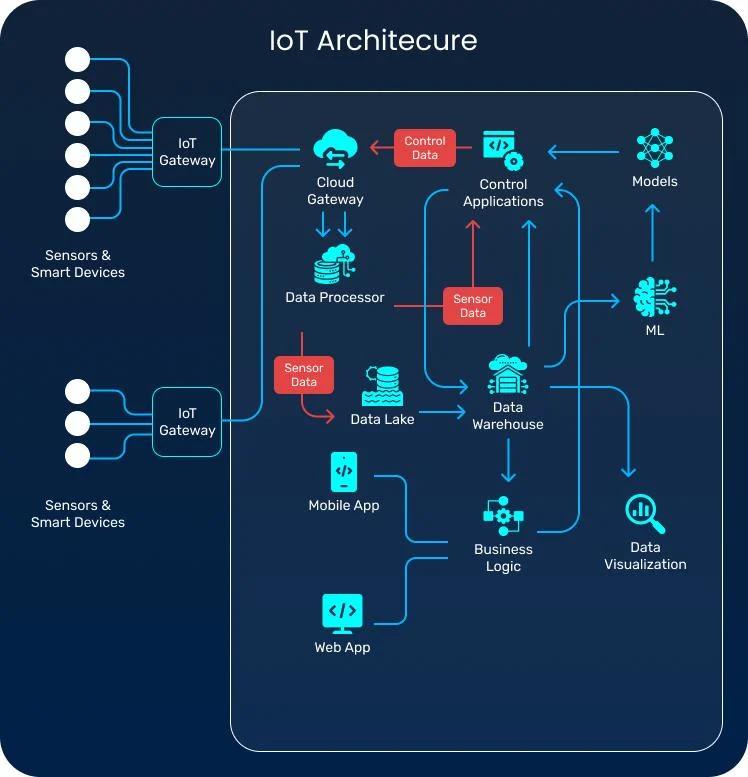
Our IoT architecture is engineered for resilience, scalability, and intelligence, starting right at the edge. We design modular, layered systems where edge devices collect and process data in real time, gateways manage local aggregation and protocol translation, and cloud platforms handle orchestration, analytics, and AI-driven decision-making.
How are We Helping Diverse Industries with IoT Development Services?
- Predictive Maintenance
- Smart Factory Automation
- Inventory Management
- Supply Chain Visibility
- Energy Management
- Quality Control
- Smart Shelves
- Personalized Shopping Exp.
- Supply Chain Optimization
- Smart Mirrors
- Beacon Technology
- Customer Behavior Analytics
- Fleet Management
- Smart Parking Solutions
- Supply Chain Tracking
- Cold Chain Monitoring
- Driver Behavior Monitoring
- Vehicle Diagnostics
- Remote Patient Monitoring
- Smart Medical Devices
- Telemedicine
- Asset Tracking
- Patient Flow Management
- Medication Adherence
- Precision Farming
- Automated Irrigation
- Livestock Monitoring
- Crop Health Monitoring
- Climate Monitoring
- Smart Greenhouses
- Smart Grids
- Pred. Energy Consumption
- Smart Meters
- Leak Detection
- Solar Panel Monitoring
- Demand Response System
Our AI-Ready IoT Platforms & Edge Intelligence Capabilities
- Bluetooth
- Zigbee
- Sigfox
- NFC
- RFID
- iBeacon
- Arduino
- Particle
- Raspberrypi
- EddyStone
- Microcontrollers
- Qualcomm
- LoRa / LoRaWAN
- DDS
- OpenloT
- TCP / IP
- MQTT
- TCP IP 4.0
- Nest
Most IoT systems stop at data visibility and depend on human decisions for the next step. Azilen builds AI Agent systems for IoT that evaluate signals, apply decision logic, and trigger actions in real time. These agents operate across sensor data pipelines and system layers, which reduces dependency on dashboards and manual intervention.
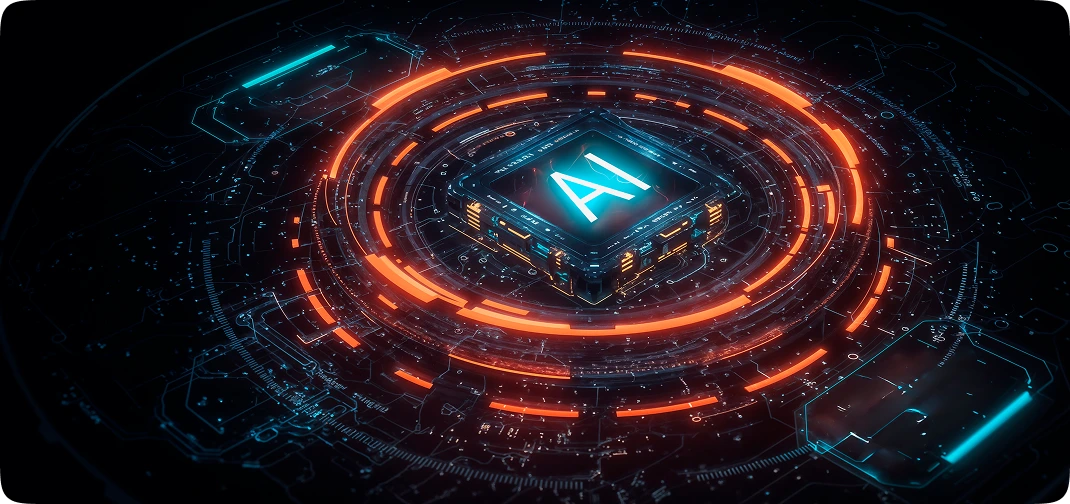
Agentic IoT Architecture for Signal to Action Systems

Run optimized models on edge devices and gateways to evaluate signals at the source. This reduces round-trip latency and supports immediate response in time-sensitive environments.
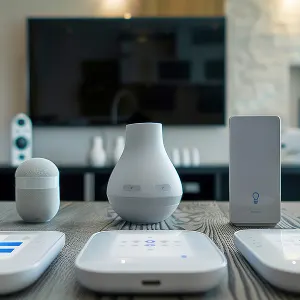
Aggregate multi-sensor inputs into unified data streams. This improves signal reliability and enables accurate interpretation of operating conditions for downstream decision logic.
Update thresholds and control parameters based on incoming data patterns. This maintains system accuracy across varying conditions without manual tuning.
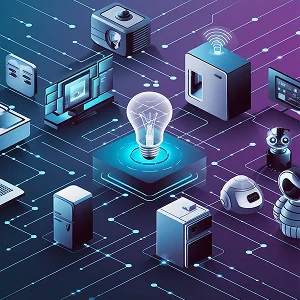
Introduce agent layers that evaluate signals and trigger actions across connected systems. This establishes a closed loop where events lead directly to execution without manual intervention.

Ingest, analyze, and act on IoT data as it’s generated using Apache Kafka, Spark Streaming, and Flink. Enable use cases like anomaly detection, predictive alerts, and live dashboarding with sub-second latency.

Leverage purpose-built databases like InfluxDB and TimescaleDB to store and query continuous sensor data. Ensure high-performance analytics with compression, downsampling, and retention policies for scalable insights.

Design resilient data pipelines that normalize, enrich, and route IoT telemetry across cloud and edge systems. Automate ETL processes to feed ML models, analytics engines, or business systems with clean, actionable data.
Advancing IoT with Edge Computing
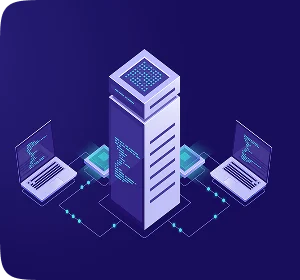
Process sensitive IoT data locally while aligning data handling with GDPR and HIPAA requirements for privacy, security, and controlled access.
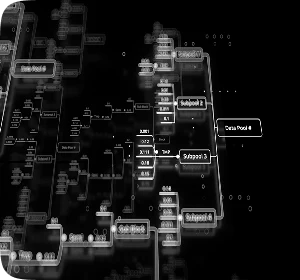
Implement resilient IoT architectures with secure data storage, access controls, and auditability aligned with SOC 2 and enterprise security requirements.
Deploy optimized AI models on edge devices with governance practices informed by the NIST AI RMF and EU AI Act for responsible, secure, and transparent AI use.

Apply data minimization, controlled access, encryption, and retention practices to support GDPR, HIPAA, SOC 2, and other enterprise compliance requirements.

Talk to Our IoT Expert - Validate Your Connected Product Strategy in 30 Min
Planning a connected product, industrial IoT initiative, or enterprise-scale device ecosystem? Siddharaj, our IoT Solution Consultant, will help you define the right architecture, connectivity framework, cloud strategy, and implementation roadmap to accelerate deployment and maximize business value.
No commitment · No cost · Just a conversation

Our IoT Development Services
Talent Solution
Engineers
Engineers
Engineers
Engineers
Engineers
- Operational Excellence
- Strategic Agility
- Machine Learning Integration
- Digital Transformation
- Real-time Processing
- Interoperability
- Scalable Infrastructure
- Edge Computing
Azilen’s AI Excellence Recognized Across Industries
- AI Excellence — TITAN Business Awards 2026
- Top AI Product Development for Enterprises USA 2026
- Best AI Development Services USA 2025
- Generative AI Solutions
- Agentic AI Development
- Enterprise AI Product Engineering
- AI-Powered Decision Intelligence
- Intelligent Process Automation
- Excellence in HRTech — Global Tech Awards 2024
- Best HR Software Development Company 2025
- Best HRTech Product Engineering Company USA 2025
- AI-Powered Talent Acquisition
- Personalized Employee Experience
- Real-Time HR Analytics
- Automated Employee Support Agents
- Workforce Planning & Optimization
- Best Product Engineering Partner for FinTech — California 2025
- AI-Driven Financial Solutions
- Intelligent Risk & Compliance
- Financial Data Intelligence
- Fraud Detection & Prevention
- AI-Powered Customer Experiences
- Automated Financial Workflows
- Scalable FinTech Platforms
- AI-Driven Digital Transformation Leader UK 2026
- Leading AI-Driven Enterprise Solutions Provider UK 2025
- Enterprise AI Integration
- AI-Powered Process Automation
- Legacy Modernization with AI
- Intelligent Workflow Orchestration
- Data-Driven Decision Intelligence
- AI Agents for Enterprise Operations
- Globee Awards — Technology Bronze Winner 2025
- AI & Machine Learning Engineering
- Generative AI Solutions
- Agentic AI Systems
- Real-Time Intelligence
- Intelligent Automation
- Computer Vision & Predictive Analytics
- AI-Powered Product Innovation
- Outstanding Innovative IT Company — TITAN Business Awards 2026
- Product Engineering Company of the Year — FDI Insider
- AI-Driven Product Development
- Enterprise Software Engineering
- AI Product Modernization
- Cloud-Native Product Development
- Data & AI Engineering
- Agentic Product Engineering
Our Tested and Trusted
IoT Product Development Process

Analysis
Engagement
Study
Scope
Assessment
Design
Selection
Design
Planning
Planning
Prototyping
Development
Development
Development
Integration
Testing
Testing
Testing
Testing
Deployment
Sound Reasons to Place Your Confidence in Azilen
Since 2009
in DNA
Understanding & SMEs
Security Mechanism
Less Than Excellence
What Our Clients Say About Their Journey with Us

Working with the Azilen’s team on our project was a great experience. The team provided timely support, and delivered high-quality results.


Azilen has been working with us for about two and a half years now, and we’ve done multiple projects together. They’ve been fantastic, especially in the HR space. Whether it’s integrations or custom software development – these guys are our go-to team. Seriously, they’re one of our favorite partners. Highly recommended.

The Azilen team helped develop a complex cross-platform mobile application. We were more than happy with the professional project management and transparent communication. Scoping and implementation were as easy as working with local staff. The results delivered were always on time and of high quality. We look forward to working with Azilen on our next project.

We appreciate our relationship with Azilen. We are just getting going, ClearingBid is going to democratize the IPO market for all, this is where Azilen has helped and played an important role with us. For a big vision, we did not have a design team to start, so number of our solutions were driven by Azilen. I want to give a big shout out the structured product management skills and the necessary follow up efforts from the team.

We are extremely satisfied with the competence technical expertise that Azilen has shown us, this is combined with great customer service.

The beta product has shown reliable performance and satisfactory features, according to test users. Despite some scheduling misalignment, Azilen Technologies’ flexibility, responsiveness, and complete deliverables continue to boost the collaboration.
Azilen Technologies delivered an impressive product and continues to create extensive project overviews that ensure effective collaboration. The team communicates clearly and manages the project cost-effectively. They are accessible and offer technical expertise to support a valuable partnership.
The quality of the final deliverables impressed the end client, a testament to the team’s agility and ability to collaborate with a remote partner. They actively put in the effort to adapting their work to reflect given feedback. Their contributions and suggestions added value to the relationship.
As co-founders of a New York based legal technology startup – we’ve worked with Azilen Technologies since January 2017. Azilen has been a steadfast resource for our company, helping us to translate product ideas into live applications for Web, IOS and Android. We are highly satisfied with Azilen’s overall ability to implement technical solutions. The team is highly professional; they utilize good collaboration tools; they provide regular feedback and advice, and they help allocate project resources efficiently. Overall, the experience has been excellent.
Prototype versions of both apps have shown improvement over past versions and received largely positive feedback. Azilen Technologies provided pragmatic recommendations and advice about long-term strategies. Their dependable delivery and impressive technical skills produced excellent results.
Very satisfied with high quality of work and ability to collaborate on and accomplish complex objectives. Across all areas of mobile app development and deployment to detailed custom applications, our extended team here is reliable and delivers successful results.
All clients have responded positively to the new sites, which are polished and highly dependable. Azilen Technologies communicates effectively, handles complex projects with ease, and delivers consistently high-quality work within budget and schedule.
Case Studies: Real Transformations, Real Results


Frequently Asked Questions (FAQ's)
IoT development services cover everything from device connectivity and firmware engineering to cloud integration, data pipelines, edge computing, and AI-powered automation. We help you go from idea to deployment, securely and at scale.
A typical IoT Proof of Concept with Azilen costs $15,000–$50,000 USD and usually takes 3–6 weeks. A PoC focuses on validating a specific technical or business concept, such as device connectivity, sensor data collection, edge processing, or a device-to-cloud workflow, before moving into a larger production build.
A working PoC takes 3–6 weeks from kickoff. A production-ready MVP is typically 3–8 months. Large-scale IoT platforms with multi-site deployment have run 6–18 months. We break every project into phases so you have working software at each milestone.
Yes. The majority of our active IoT clients are in North America (US and Canada) and Europe (UK, Germany, Netherlands, Norway, Switzerland). We operate in overlapping time zones, use async-first communication, and our project managers are available during US Eastern, Central, and European business hours.
An IoT MVP typically costs $80,000–$250,000 USD and takes around 3–8 months to develop. This can include firmware, device integration, cloud infrastructure, data pipelines, dashboards, and the core application functionality required for an initial production-ready solution. The final cost depends on hardware complexity, integrations, number of devices, and platform requirements.
Absolutely. We frequently engage clients who have already selected their hardware or device partner. We’ll integrate with your existing device ecosystem and build the connectivity layer, cloud platform, data pipelines, and application interfaces. We’ve integrated multiple different hardware platforms across projects.
Enterprise-grade IoT platforms typically start at $300,000 USD and can increase based on the scope and complexity of the deployment. Large-scale implementations may take 6–18 months, particularly when they involve AI capabilities, multi-site deployments, advanced analytics, enterprise integrations, security requirements, and managed operations.
Yes, this is a standard part of most of our projects. We’ve integrated IoT platforms with SAP, Salesforce, Oracle, custom-built ERPs, and industry-specific platforms like MRO and SCADA systems. We use API-first architecture and middleware layers that make IoT data available to your business systems in real time.
An IoT PoC validates whether a specific concept or technology works, while an MVP combines the essential components needed for a production-ready solution. A full-scale IoT platform is designed for enterprise deployment, scalability, security, integrations, analytics, and ongoing operations. At Azilen, we can support the journey from PoC to MVP and full-scale deployment.
Yes, and we recommend it. A PoC with Azilen gives you a real, working device-to-cloud integration with your actual hardware and your actual data, validated architecture, and a go/no-go decision point before you commit to full-scale investment. Most of our long-term clients started with a PoC engagement.




 Talk to Our
Consultants
Talk to Our
Consultants Chat with
Our Experts
Chat with
Our Experts Write us
an Email
Write us
an Email