


Skip to content

The Most Honest Takeaways from Transform Conference 2026 Isn’t Just About AI

Featured Image

The first time humans built machines that could outpace them, fear followed.

Then came adaptation.

Roles changed. Systems changed. Entire economies reorganized around a new partnership – human judgment paired with mechanical power.

That partnership built the modern world.

Now, a new version of that equation is taking place.

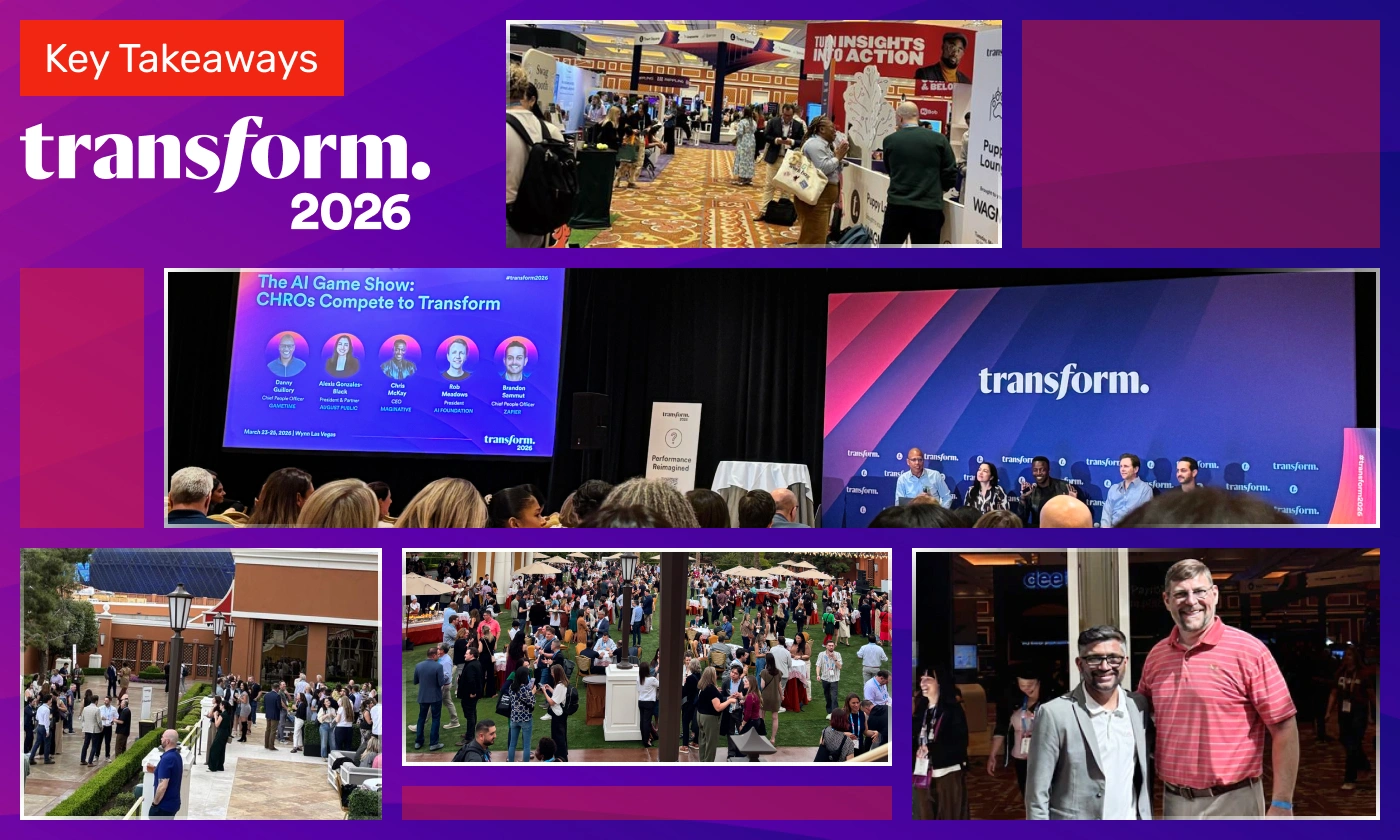
At Transform Conference 2026, the idea of Human + AI surfaced as the next shift of that scale. Not as a tool layered onto work, but as something embedded within it.
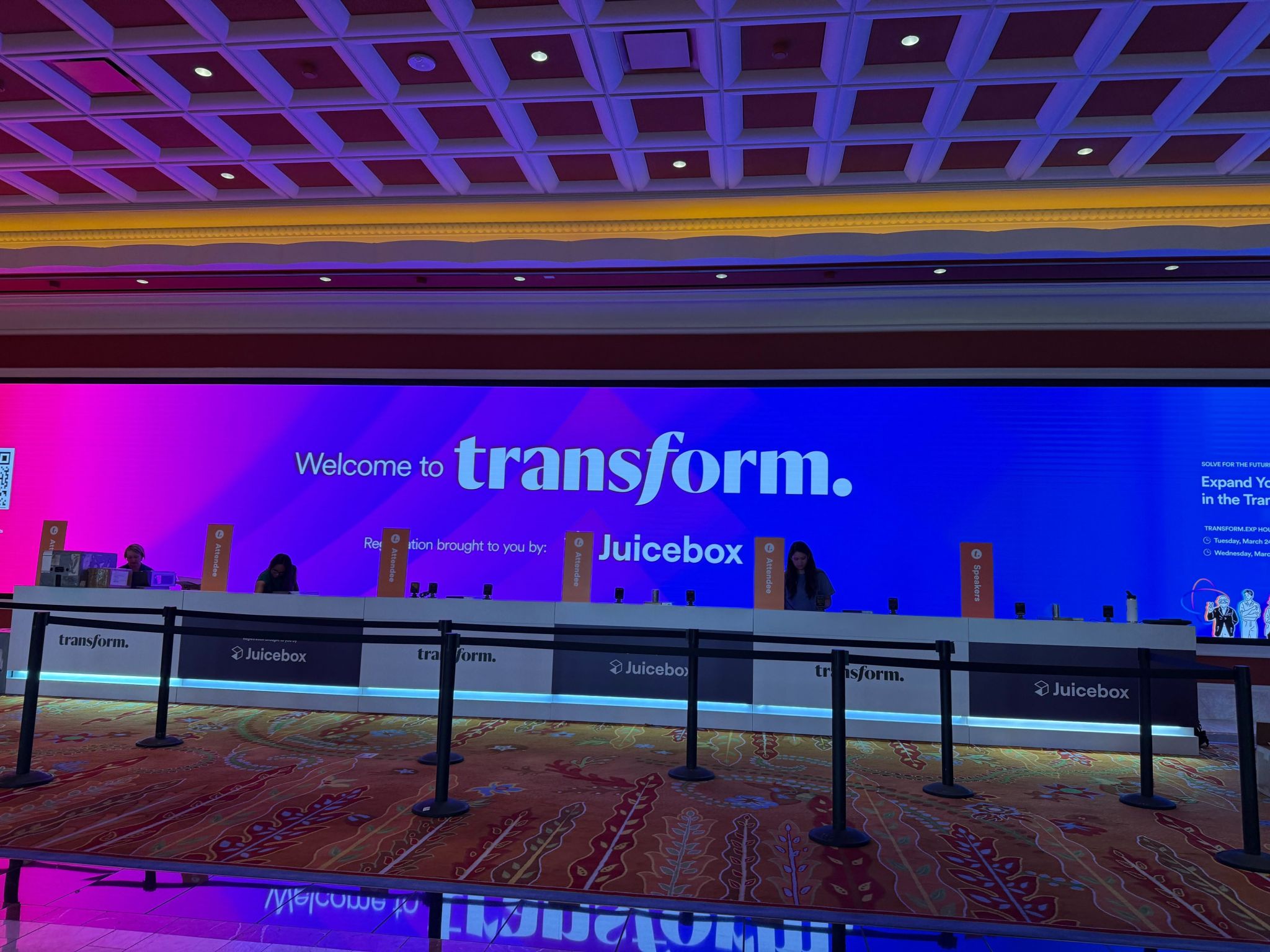
Transform Conference 2026

As Tarak Joshi, VP – Sales, along with David Pridgen, National Account Manager – USA at Azilen Technologies, we had the opportunity to be in the room for this year’s conversations.

However, I was less interested in the volume of AI discussions and more focused on what sat beneath them – the patterns, the tensions, and the signals leaders kept returning to.

This piece brings together those observations.

Not a session-by-session recap, but a distillation of what truly stood out and what it takes to build organizations where human judgment and AI execution move in sync.

Takeaway #1: The Equation Has Changed. Ownership Has Not.

AI now sits inside HR workflows.

It screens candidates. It drafts communication. And it predicts workforce gaps before they show up in reports.

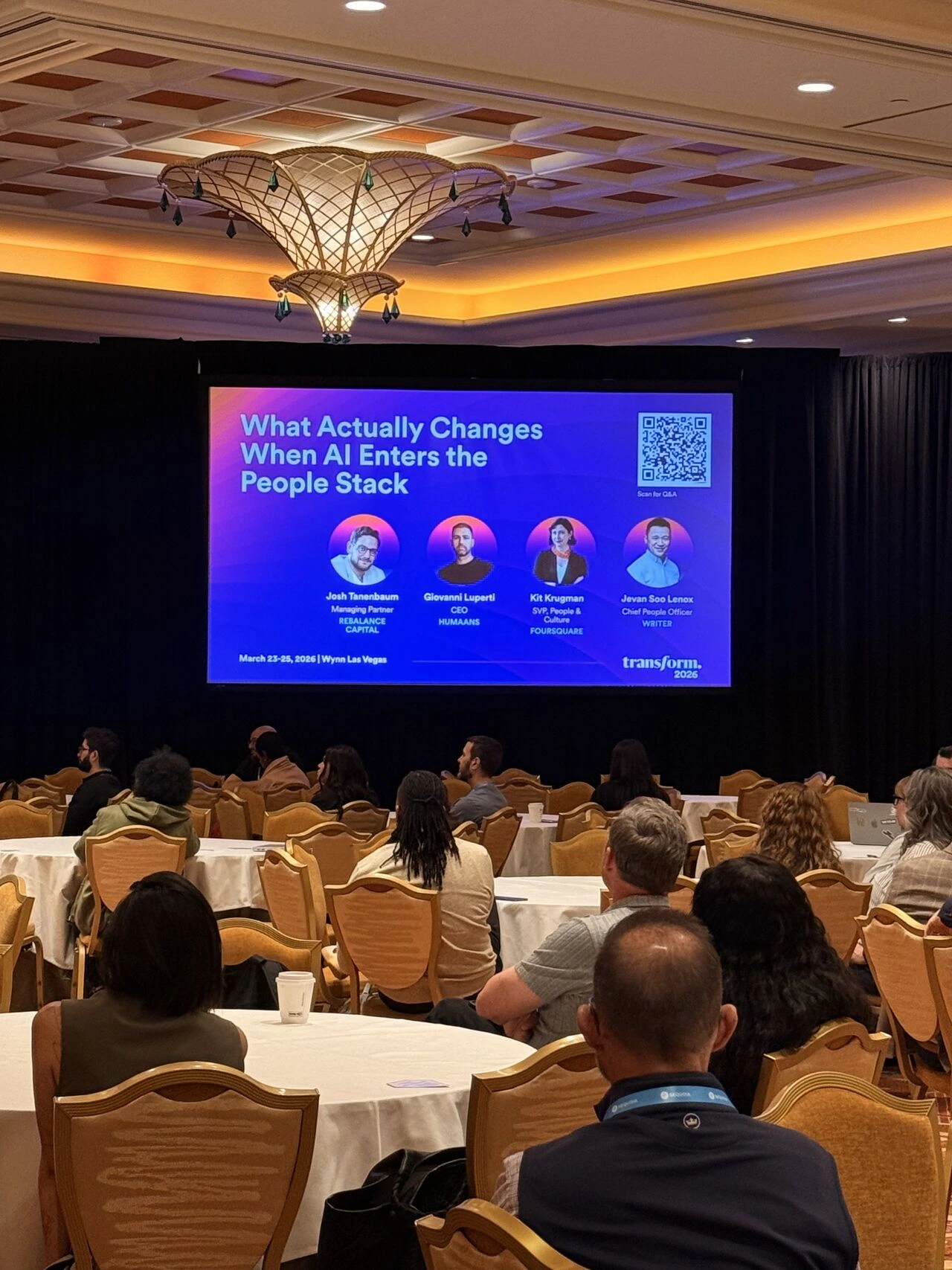
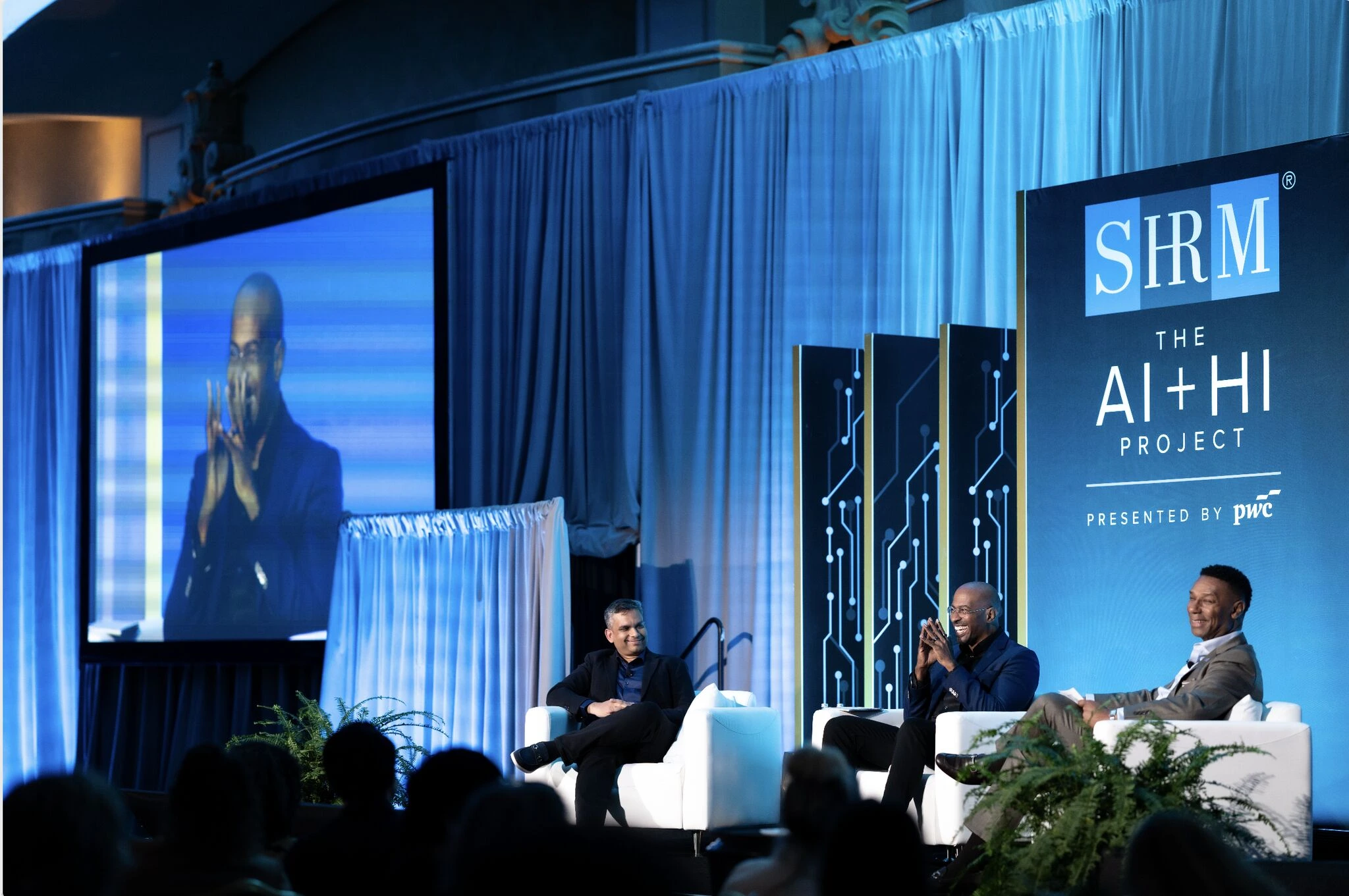
Across sessions like “Use AI to Make Better Hires, Faster” and “What Actually Changes When AI Enters the People Stack,” one idea kept surfacing:

AI can guide decisions. It cannot own them.

What Actually Changes When AI Enters the People Stack

That distinction is where leadership sharpens.

Decisions now arrive faster, backed by more data than ever. The burden of judgment, however, becomes clearer and harder to hide.

What This Means in Practice

→ Speed increases, hesitation becomes visible

→ Data expands, accountability tightens

→ Leaders cannot defer decisions to systems

Azilen POV

The next generation of HR systems must separate insight from ownership.

Data pipelines and AI models should inform. Decision accountability should stay explicit.

Without that clarity, organizations risk building systems that look intelligent but operate without direction.

Takeaway #2: When Intelligence Becomes Common, Judgment Becomes Rare

A strong thread ran across multiple sessions:

“EQ > IQ”

“The Human Edge: What AI Can’t Scale”

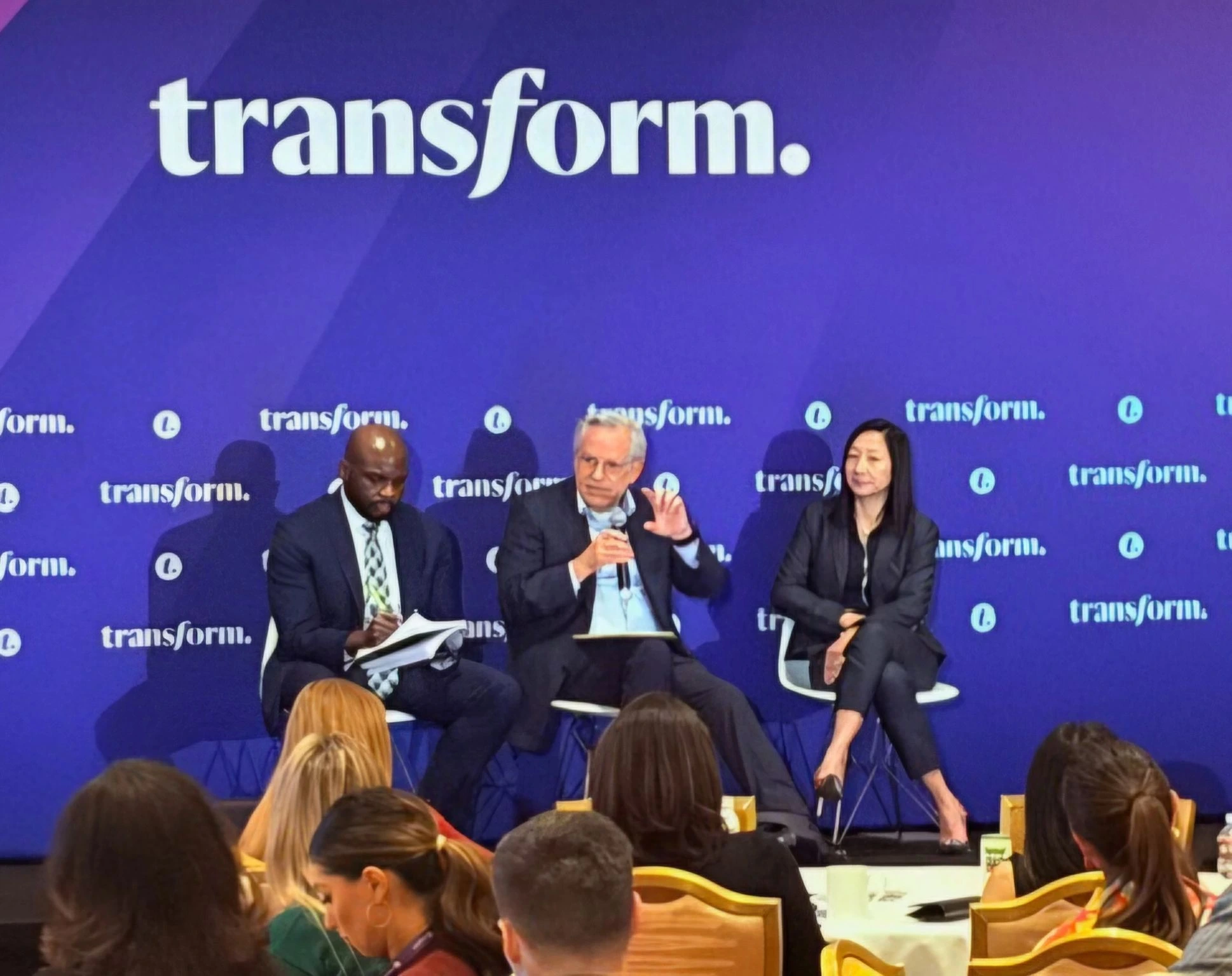
“When AI Makes Everyone Smart, EQ Becomes the Moat”

Access to intelligence is no longer the differentiator.

EQ greater than IQ session at Transform Conference 2026

Everyone has tools. Everyone has assistance. Everyone has answers.

What stands out now is how people interpret signals, challenge outputs, and make tough calls under pressure.

What This Means in Practice

→ Hiring shifts toward decision behavior

→ Leadership shifts toward emotional awareness

→ Performance shifts toward judgment quality

Azilen POV

Organizations need systems that capture more than activity.

They need visibility into:

→ Decision patterns

→ Behavioral signals

→ Contextual performance

This requires deep alignment between AI, analytics, and experience layers.

Takeaway #3: The Job is Breaking Apart. Skills are Taking Over.

From “Skills-First Strategies in the Age of AI” to “Rewriting the Hiring Playbook,” one shift became difficult to ignore:

Work is no longer organized around roles. It is reorganizing around skills.

Skills-First Strategies in the Age of AI

Roles assume stability. Skills reflect movement.

Organizations, however, still operate on role-based systems.

That gap is widening.

What This Means in Practice

→ Hiring becomes continuous, not requisition-driven

→ Internal mobility becomes operational, not aspirational

→ Workforce planning becomes dynamic

Azilen POV

A skills-first organization requires a different foundation:

→ Real-time skills mapping

→ Connected workforce data

→ Integrated HR and financial systems

This is where HR system integration and data engineering move from backend concerns to strategic priorities.

Takeaway #4: AI Adoption Follows Culture, Not Mandates

One of the most grounded ideas from the conference was simple: people need space to explore AI.

From discussions around AI-enabled hiring and workforce transformation, and reinforced by on-ground observations:

Teams adopt AI when they have:

→ Time to experiment

→ Permission to learn

→ Visibility into real outcomes

Mandates create compliance. Curiosity creates capability.

What This Means in Practice

→ Adoption becomes a leadership responsibility

→ Enablement outweighs tooling

→ Learning becomes continuous

Azilen POV

AI adoption should be designed as a system:

→ Feedback loops across teams

→ Measurable behavior shifts

→ Integration between tools and workflows

Because,

Fragmented rollouts slow progress. Connected ecosystems sustain it.

Takeaway #5: HR is Moving to the Center of the System

One idea surfaced repeatedly in different forms:

HR is no longer adjacent to business strategy. It is where strategy gets executed.

From connected talent systems to predictive workforce planning, HR now orchestrates how work happens.

Not just hiring. Not just engagement. But the flow of decisions, skills, and outcomes.

What This Means in Practice

→ HR connects business, technology, and workforce strategy

→ People data becomes operational intelligence

→ System fragmentation becomes a direct risk

Azilen POV

With over a decade of experience in HR software development, system integration, and AI software development, we noticed one pattern:

Organizations succeed when their systems are connected. They struggle when their systems operate in isolation.

The future requires:

→ Unified data layers

→ Integrated HR ecosystems

→ AI-ready infrastructure

Takeaway #6: There is a Pressure Beneath the Progress

Beyond the optimism, several undercurrents surfaced:

→ Leadership fatigue

→ Trust gaps after difficult decisions

→ Questions around AI governance

→ Uneven adoption across teams

These are signals of a system adjusting in real time.

What This Means in Practice

→ Leadership requires resilience and clarity

→ Governance becomes a core capability

→ Trust becomes measurable

Azilen POV

The defining factor will not be how fast organizations adopt AI.

It will be:

→ How clearly they define accountability

→ How responsibly they scale systems

→ How intentionally do they design human experiences around AI

Closing Note: The Equation is Still Being Written

Human + Machine reshaped industries.

Human + Internet reshaped access.

Human + AI is reshaping decision-making itself.

At Transform Conference 2026, one thing became clear: the equation is not settled.

AI continues to evolve. Human systems continue to adapt.

The organizations that move ahead will not be the ones with the most advanced tools. They will be the ones that:

→ Design for judgment

→ Build connected systems

→ Operate with clarity

So, if your organization is rethinking how HR systems, data, and AI come together, this is the moment to approach it with intent, because the equation is already in motion!

Get Consultation
Bring Your HR, Data, and AI Together.
We identify gaps and integration points.
google
Tarak Joshi
Tarak Joshi
VP - Growth

Tarak Joshi is a techno-business leader with two decade of experience driving business operations across software services, solutions, and ITES organizations. He works closely with cross-functional technology and delivery teams to improve operational effectiveness, streamline processes, and support scalable system implementations. His expertise spans strategic planning, business and technology consulting, cost optimization, process enhancement, and team development, enabling organizations to translate business goals into reliable operational outcomes.

Related Insights

GPT Mode
AziGPT - Azilen’s
Custom GPT Assistant.
Instant Answers. Smart Summaries.