




 17 mins
Jan 15, 2026

A customer adds products to their cart, reaches checkout, and hesitates. The price feels too high right now. Then they see a simple option: Buy Now, Pay Later. Within seconds, the purchase is complete.
That’s why demand for BNPL solutions is growing rapidly. But before launching a platform, one question matters most: How much does BNPL app development cost? From payment infrastructure and compliance requirements to underwriting and merchant integrations, understanding the true investment is essential for building a profitable BNPL business.
Every BNPL business is different. Use this calculator to estimate your investment based on platform type, BNPL model, compliance scope, and features.
Here’s what businesses typically spend to build and run a BNPL app at each stage of maturity.
| Build Tier | What's Included | Development Cost | Monthly Operating Cost |
|---|---|---|---|
| MVP BNPL App | Pay-in-4 checkout, basic KYC, soft credit pull, simple repayment tracking | $30,000 – $80,000 | $1,500 – $6,000 |
| Custom BNPL Platform | Own underwriting rules, merchant portal, multiple installment plans | $80,000 – $180,000 | $6,000 – $15,000 |
| Full-Scale AI-Driven Platform | AI credit scoring, virtual card issuance, multi-merchant network, fraud detection | $180,000 – $400,000+ | $15,000 – $32,000 |
| Multi-State Licensed / Enterprise BNPL | State-level BNPL licensing, bank partnerships, large-scale merchant network | $400,000 – $1,500,000+ | $32,000 – $90,000+ |
A BNPL app isn’t just a checkout button, it’s five systems working together in real time, at the exact moment a shopper wants to buy. Here’s where the budget goes.
| Layer | What It Does | Primary Cost Drivers |
|---|---|---|
| Checkout & Merchant Integration | Adds BNPL as a payment option at checkout. | SDK/plugin development, Shopify, WooCommerce, and Magento integrations. |
| KYC/AML & Identity Layer | Verifies identity and screens for fraud in seconds. | Per-check fees, liveness checks, and sanctions screening. |
| Credit Decisioning Engine | Runs soft credit checks and instantly approves or declines applications. | Bureau soft-pull fees, alternative-data models, and real-time infrastructure. |
| Installment & Repayment Engine | Splits purchases into scheduled payments and manages collections. | Payment gateway integration, reminders, and autopay logic. |
| Compliance & Licensing Layer | Ensures compliance with state-level BNPL regulations and disclosures. | Legal counsel, license fees, disclosure management, and dispute workflows. |
Every shopper’s BNPL journey passes through the same five checkpoints. The heavier the checkpoint, the more it typically costs to build.
~15% of cost
~15% of cost
~30% of cost
~10% of cost
~30% of cost
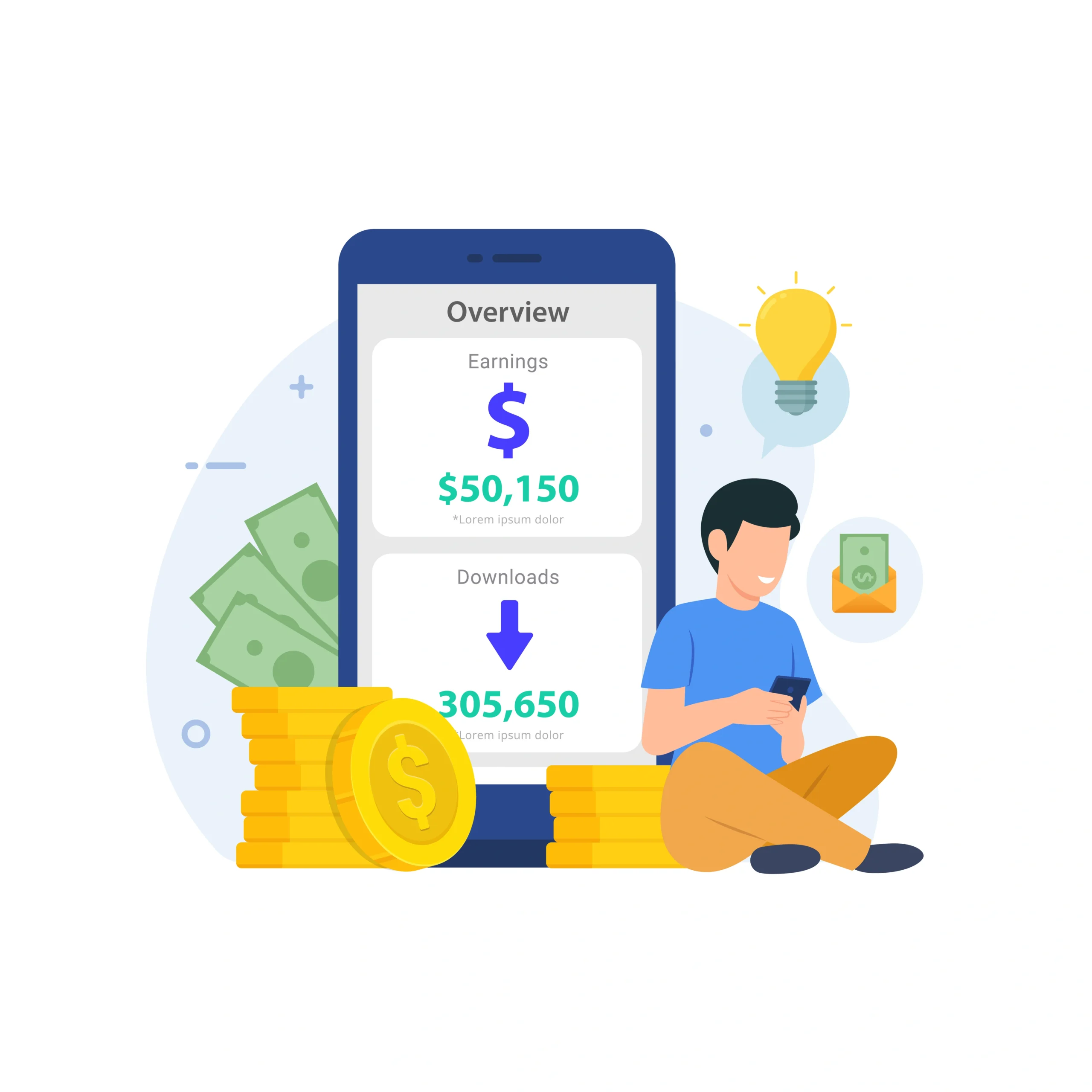
Most founders budget for the build and forget the running cost. In BNPL, the recurring bills are what decide whether the business stays profitable past year one.
The same base architecture carries very different cost depending on the kind of BNPL you offer. Underwriting depth and repayment length are the biggest cost swings.
| Business Model | Typical Use Case | Build Cost Range | Key Cost Drivers |
|---|---|---|---|
| Pay-in-4 (Interest-Free) | Four equal payments with no interest at e-commerce checkout. | $30,000 – $120,000 | Simple underwriting, high transaction volume, low ticket size. |
| Monthly Financing (Interest-Bearing) | 3–36 month installment loans for higher-value purchases. | $100,000 – $300,000+ | Deeper credit checks, interest calculations, and repayment tracking. |
| White-Label / Embedded BNPL | Merchant-branded checkout powered by a BNPL partner. | $60,000 – $200,000 | Merchant onboarding, checkout SDK, and revenue-share billing. |
| B2B BNPL / Invoice Financing | Payment terms for business purchases and invoices. | $150,000 – $400,000+ | Business KYB, large-ticket underwriting, invoicing integrations. |
| Vertical BNPL (Healthcare, Travel, Education) | Installment plans for specialized service industries. | $120,000 – $350,000+ | Specialized underwriting and provider/booking system integrations. |
The business model you choose directly impacts platform complexity, risk management, and overall development costs.
Explore our Buy Now Pay Later (BNPL) – Alternative Credit & Payments case study to see how a modern lending platform was built to support flexible credit experiences and scalable payment operations.
Not always. An $80K BNPL app development investment can be highly profitable if it helps increase conversions, generate merchant revenue, and support long-term growth.
→ Let shoppers split purchases into manageable installments and complete checkout within seconds.
→ Earn merchant fees on every transaction, similar to leading BNPL providers like Klarna, Afterpay, and Affirm.
→ Automate credit decisioning and risk assessment to deliver instant approvals without manual intervention.
→ Introduce new financing options, including monthly installments and B2B payment terms, without rebuilding the platform.
→ Increase average order value, reduce cart abandonment, and create a more flexible customer payment experience.
This is the single decision that determines every other number in this guide. Here’s how the two paths actually compare.
| Criteria | Build (Custom Platform / Own License) | Buy (White-Label / BNPL-as-a-Service) |
|---|---|---|
| Use Case Complexity | High — custom underwriting, multiple loan types, multi-state operations | Low to Medium — standard Pay-in-4 and checkout financing |
| Time to Market | 6–12+ months | 4–12 weeks |
| Initial Investment | $180,000 – $1,500,000+ | $30,000 – $200,000 |
| Regulatory Ownership | You hold the license and compliance responsibility | License and compliance largely managed by the partner |
| Ongoing Costs | Compliance teams, legal counsel, licensing renewals | Platform fees, revenue share, per-transaction charges |
| Customization Level | Full control over underwriting and checkout experience | Limited to the partner's available plans and rules |
| Data & IP Ownership | Full ownership of shopper data and credit models | Shared ownership based on partner agreements |
| Scalability Over Time | Scale according to your own roadmap | Growth depends on partner coverage and merchant network |
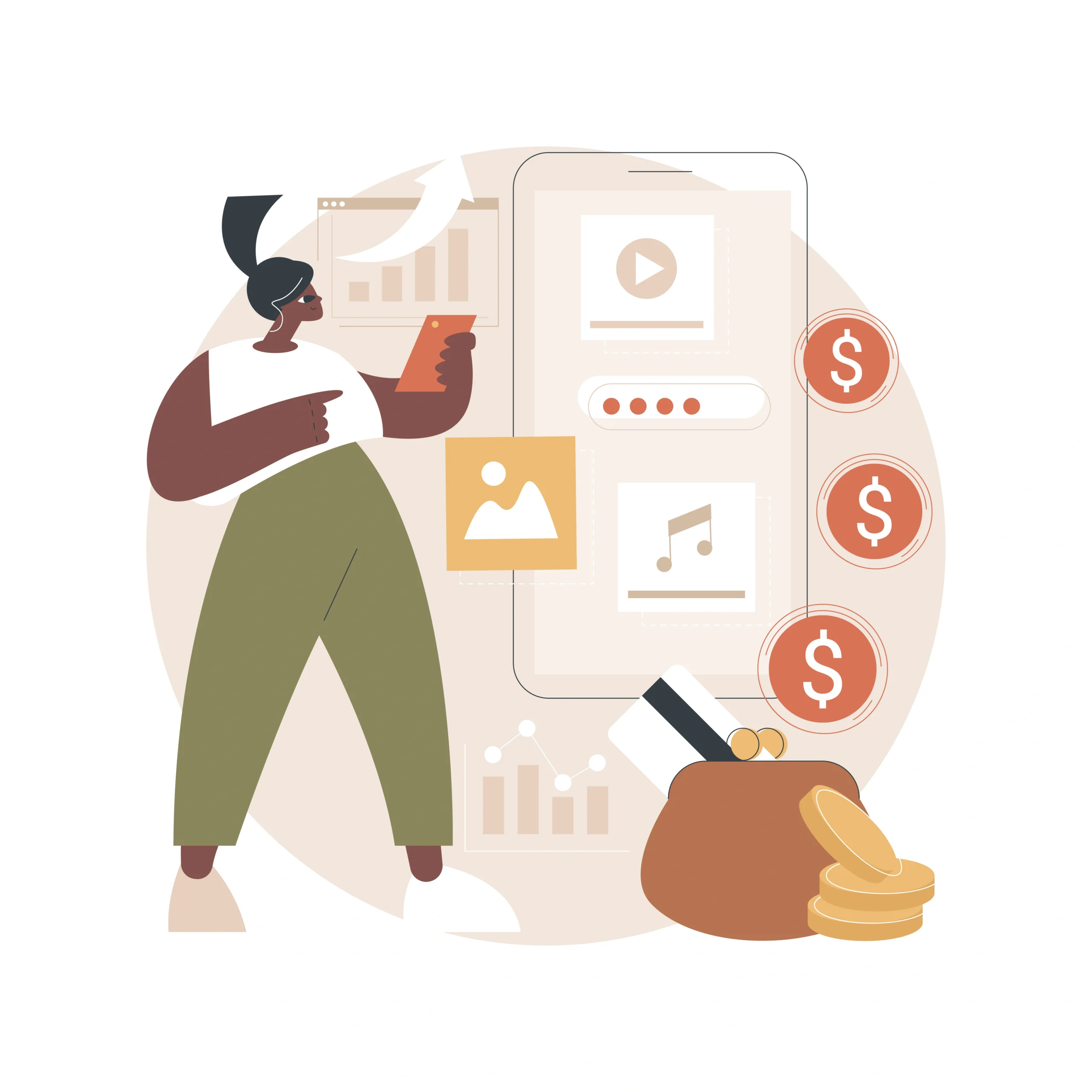
The cost to build a BNPL app can range from $30,000 for a basic MVP to over $400,000 for a feature-rich, AI-driven platform. The final investment depends on mobile app development, checkout integration, credit decisioning, payment processing, and how many states you plan to operate in.
Here’s what consistently helps founders and CTOs control BNPL app development cost without cutting corners on the things regulators, and shoppers, actually care about.
✅ Partner with a BNPL-as-a-Service or white-label provider instead of building underwriting and licensing infrastructure from scratch. This significantly reduces costs and accelerates time-to-market.
✅ Launch with a simple Pay-in-4 model before expanding into monthly financing, B2B payment terms, or industry-specific BNPL offerings.
✅ Build compliance into your BNPL platform from day one. Adapting to evolving state regulations later is often far more expensive.
✅ Use trusted integrations for credit checks, identity verification, payment processing, and fraud prevention instead of developing custom alternatives.
✅ Compare multiple BNPL vendors carefully. Platform fees, merchant fee structures, revenue-sharing models, and support quality can vary significantly.
Unlike traditional lending, BNPL doesn’t have one clear federal rulebook yet. The CFPB stepped back from treating BNPL like credit cards, so states are stepping in one by one.
New York passed the first dedicated BNPL licensing law in 2026, requiring any provider offering even a single 0%-interest installment to get a license from the state’s financial regulator, capping interest at 16%, and setting an $8 late-fee safe harbor.
Other states are expected to follow with their own rules, so compliance cost depends heavily on which states you plan to operate in.
| Requirement | Typical Cost |
|---|---|
| KYC/AML Identity Verification Setup | $10,000+ Upfront, plus per-verification fees |
| State-Level BNPL License Application | Varies by state; new BNPL licensing regimes are still emerging |
| Legal Review of Fees & Disclosures | $5,000 – $25,000+ depending on states covered |
| PCI-DSS Level 1 Compliance | Ongoing audit, security, and infrastructure costs |
Launching a BNPL platform can seem complex, but most successful providers follow a structured path. By starting with the right business model, compliance strategy, and core features, you can reduce BNPL app development costs, accelerate time-to-market, and create a foundation for long-term growth.
Decide whether you’ll offer Pay-in-4, monthly financing, B2B BNPL, or industry-specific payment plans. Your model influences compliance, underwriting, and revenue strategy.
Understand consumer lending regulations, disclosure requirements, KYC, AML, data privacy obligations, and any licensing requirements before development begins.
Select between custom BNPL app development, AI mobile app builders, a white-label solution, or a BNPL-as-a-Service provider based on budget, scalability, and launch timelines.
Start with core features such as merchant onboarding, checkout integration, borrower verification, payment scheduling, and repayment management to validate demand.
Expand into AI-powered credit decisioning, fraud detection, monthly financing plans, merchant analytics, and additional payment products as transaction volumes grow.

BNPL allows customers to split purchases into smaller installments, often with faster approvals and a more seamless checkout experience than traditional loans. Most BNPL products focus on short-term financing and are integrated directly into online and in-store purchasing journeys.
Key cost drivers include underwriting complexity, payment infrastructure, merchant integrations, compliance requirements, credit bureau connectivity, fraud prevention systems, AI capabilities, and licensing obligations.
The most cost-effective approach is often partnering with a BNPL-as-a-Service provider or launching a Pay-in-4 MVP before investing in custom underwriting, financing products, and enterprise-scale infrastructure.
A basic BNPL MVP can often be launched within 3–6 months, while a custom BNPL platform with advanced underwriting, merchant portals, and AI-powered risk management may require 6–12 months or longer.
For businesses with strong merchant partnerships and effective risk management, BNPL platforms can generate revenue through merchant fees, financing income, and increased transaction volumes while improving customer conversion rates.
→ Buy Now, Pay Later (BNPL): A short-term financing model that allows customers to split purchases into multiple installments, often with little or no interest.
→ Pay-in-4: A popular BNPL payment structure where customers pay for a purchase in four equal installments over a fixed period.
→ Merchant Fee: A transaction-based fee paid by merchants to BNPL providers in exchange for offering installment payment options at checkout.
→ Credit Underwriting: The process of evaluating a customer’s financial profile, repayment ability, and risk level before approving financing.
→ Soft Credit Check: A credit inquiry used to assess a customer’s eligibility without affecting their credit score or visible borrowing history.
→ KYC (Know Your Customer): A regulatory verification process that confirms customer identities to prevent fraud, financial crime, and unauthorized transactions.
→ Fraud Detection Engine: A system that analyzes customer behavior, transaction patterns, and risk signals to identify and prevent fraudulent activity.
→ Merchant Integration: The connection between a BNPL platform and an eCommerce store, payment gateway, or point-of-sale system to enable installment payments at checkout.


 17 mins
 10 mins
  22 mins
"*" indicates required fields

5432 Geary Blvd, Unit #527 San Francisco, CA 94121 United States
320 Decker Drive Irving, TX 75062 United States

6d-7398 Yonge St,1318 Thornhill, Ontario, Canada, L4J8J2

71-75 Shelton Street, Covent Garden, London, United Kingdom, WC2H 9JQ

Hohrainstrasse 16, 79787 Lauchringen, Germany

12, Zugerstrasse 32, 6341 Baar, Switzerland

5th floor, Bloukrans Building, Lynnwood Road, Pretoria, Gauteng, 0081, South Africa

12th & 13th Floor, B Square-1, Bopal – Ambli Road, Ahmedabad – 380054
B/305A, 3rd Floor, Kanakia Wallstreet, Andheri (East), Mumbai, India





 Talk to Our
Consultants
Talk to Our
Consultants Chat with
Our Experts
Chat with
Our Experts Write us
an Email
Write us
an Email